
Introduction
The digital marketing industry in 2025 is ushering in a new era brimming with innovation and smarter search strategies. Understanding these digital marketing trends is absolutely essential for all us digital marketers.You don’t want to be following a specific set of rules that is now obsolete.
With the almost complete integration of AI with all our search engines to the change in the google search algorithm, this guide reveals the top 5 industry-changing shifts and shows why brands should adapt their business strategies in alignment with these changes. Keeping up with us yet? Let’s go!
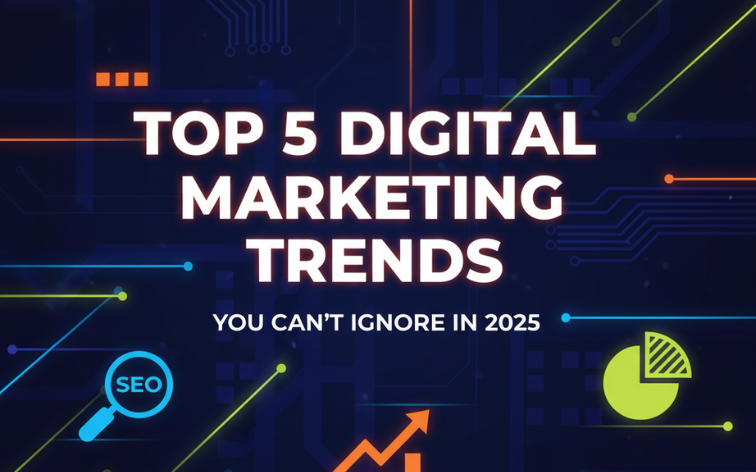
Top 5 Digital Marketing Trends You Can’t Ignore in 2025
Trend 1: The End of Third Party Cookies: What Marketers Need to Know
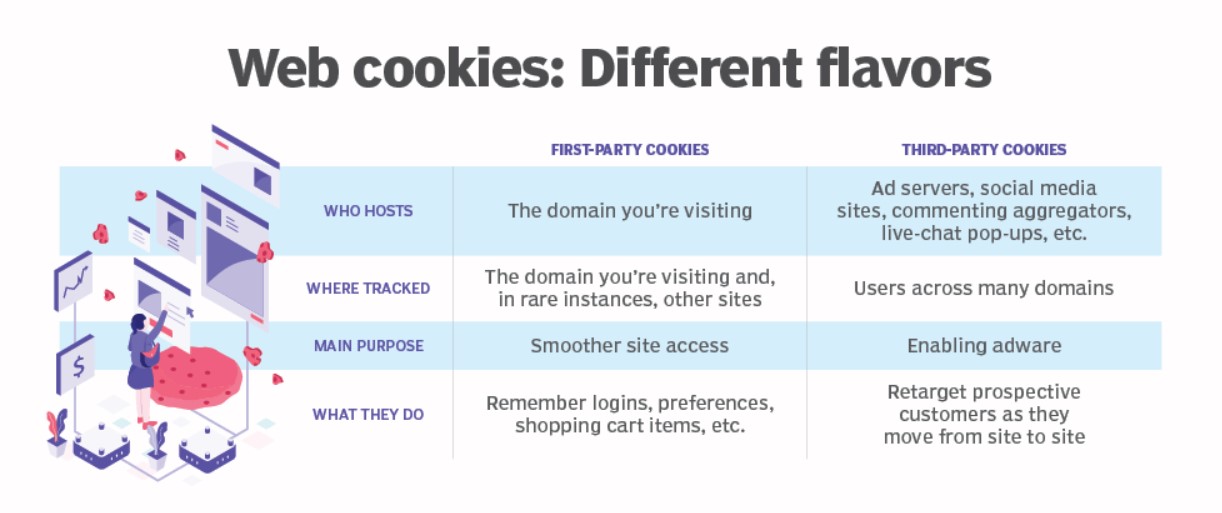
Third party cookies are small data files often placed by websites on our computers for tracking and analytics for targeting or retargeting ads. It is an important tool for PPC marketers to run
The demise of 3rd party cookies is considered as a watershed moment in the digital marketing industry. With browsers like Chrome and Safari blocking third party cookies, marketers can no longer rely on cross-site tracking to target ads, retarget users or attribute conversions. This is one of the most talked about topics among digital marketers and it has changed how data is collected, processed and used.
These 3rd party cookies once powered the personalized experiences every user took for granted: everything from the “just for you” ads that you see in the pages you visit and in Youtube to dynamic retargeting. Now, digital marketers must rethink strategies, focusing on privacy-first methods and ethical data practices. Marketers who adapt by using first-party data and zero-party data see greater trust, retention and generate bigger ROI.
Trend 2: The Rise of Content Management Platforms (CMPs)
With third party cookies phased out, the rise of consent management platforms is something that has been in the works for a long time. Every digital marketing agency and website now needs a robust CMP to collect, store & manage user consent for all data collection activities. Consent management platforms are compliant with the guidelines as stated by GDPR, CCPA and new local rules passed as per the , boosting user trust and legal safety.
Think of CMPs as central hubs that help digital marketers and brands comply with privacy regulations while maximizing the value of user data by perfectly matching today’s marketing trends.
We can keep up with these digital marketing industry trends by investing in the best-in-class consent management platforms. These CMPs automate the hard work, display clear consent pop-ups, and ensure data is used only as permitted. This is something that is non-negotiable for websites seeking to rank and engage in 2025.
We have talked about the importance of CMPs but what they exactly do is:
- CMPs deploy customizable banners or pop-ups that clearly inform visitors about data collection, usage and sharing for advertising or data analytics.
- Content Management Platforms block non-essential cookies and scripts until proper consent is given.
- CMPs stay updated with global privacy laws (GDPR, CCPA, DMA, and more), making continuous compliance easy for marketers and web managers.
Why are consent management platforms so useful?
- They help agencies and brands collect and activate powerful first-party cookie data, replacing the targeting which has been lost with the decline of third party cookies.
- They build user trust by demonstrating transparency and empower users by giving them complete control.
- They automate complex legal compliance, reducing risk and penalty exposure.
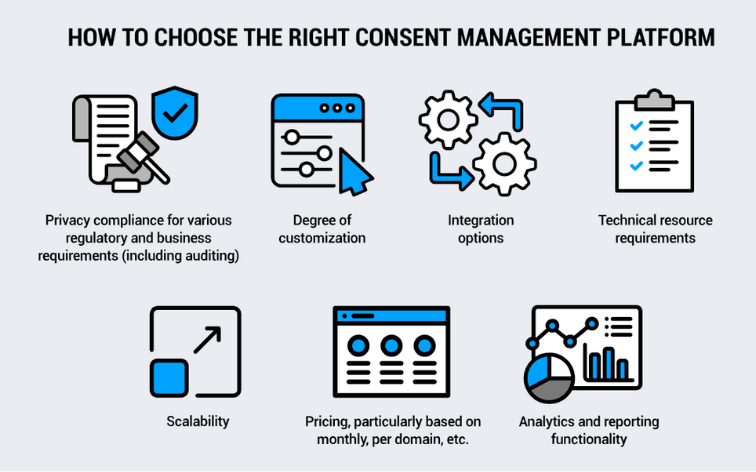
5 Best Consent Management Platforms for 2025
Trend 3: Google Search Algorithm Updates Are Changing SEO Forever
Digital marketing industry trends marketers can’t ignore is the sudden and rapid comprehensive changes in the Google search algorithm. Google’s algorithm for ranking pages always undergoes tweaks periodically to match with the trends of the audience. This shift happened at the end of 2024 and all the work we have done for ranking our pages is pretty much gone and all of us will have to start from scratch and align with the change in the algorithm.
Google’s shift to AI-powered results, Search Generative Experience (SGE) and zero-click answers because of AI Overviews means less traffic is pretty much guaranteed and that applies even for top-ranked pages. The new Google search algorithm rewards content based on the matching with the user intent, relevance and authenticity.
These changes in the search algorithms have put all of the SEO professionals in a tizzy for a while but since then the best SEO teams have bounced back wonderfully and started to deliver amazing results.
The current SEO updated algorithm focuses on:
- E-E-A-T (experience, expertise, authority, trust)
- Answering search intent precisely
- Creating actionable, comprehensive resources using LSI keywords and semantic SEO.
If you want to rank first in the SERP, optimize your site for Google’s algorithm with authoritative content, internal linking and schema. As digital marketers, we must also monitor algorithm updates closely to stay ahead of the curve.
Trend 4: First-Party Data and Zero-Party Data is the New Marketing Gold
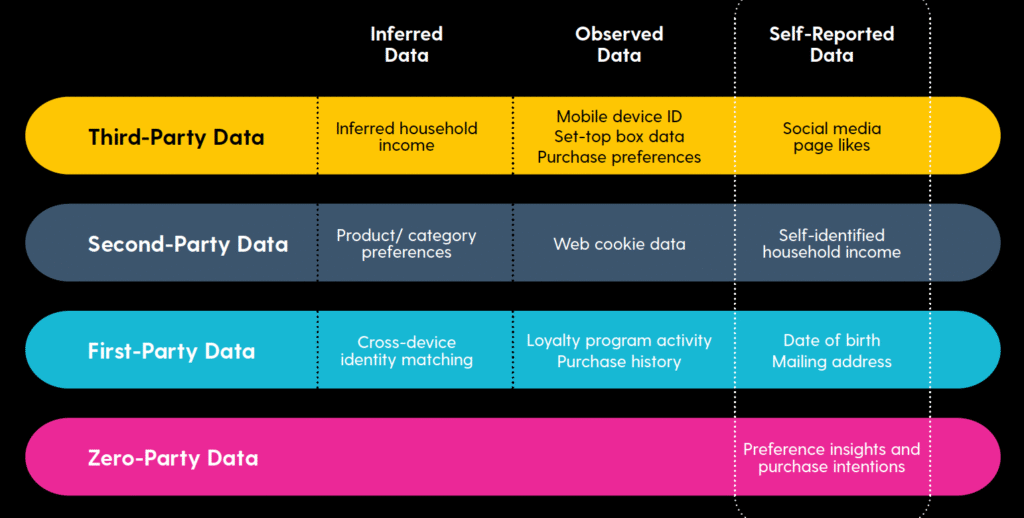
With privacy changes and loss of 3rd party cookies, first-party data and zero-party data take center stage as among the top trends to look out for digital marketing. First-party data is information collected directly from users when they use your platform. It can be collected anywhere from purchases, sign-ins, surveys or engaged browsing.
Zero-party data goes one step further: it’s the data that is collected from users who have allowed that access voluntarily. It mostly consists of their preferences, interests or feedback. Digital marketers use this information goldmine to personalize their campaigns, segment audiences and bring viable results without privacy concerns.
Best practices for first-party data include clear opt-in experiences, value exchanges (discounts, exclusive content), and secure data storage. With the trends and algorithms changing sometimes in the blink of an eye, marketers should embrace these trends in data collection or risk being left behind.
Trend 5: Authentic, Short-Form Content Dominate Social Media
No list of digital marketing trends is complete without mention of the seismic shift in social media. In 2025, users demand authentic, short-form video content and seamless shopping experiences.
Platforms like Facebook, Instagram and YouTube Shorts reward brands that produce genuine user-generated content, run viral challenges & integrate shoppable links in their content. Digital marketing agencies must reimagine their social media strategy to make them look less scripted and more interactive. People are clicking only if it has an attractive hook point and a thumbnail.
The first 3 seconds of a reel is the timeline we have to reel your audience into the content and make them feel familiar with the purpose of the video. Shoppable content leads to higher conversions and brand lift, making this a digital marketing industry trend with quantifiable returns.
Conclusion
Digital marketing trends in 2025 will challenge & empower marketers willing to innovate. The end of third party cookies, rise of consent management platforms, Google search algorithm evolution, new data strategies and explosive social content are now completely reshaping the digital marketing industry.
The outlook of the industry is completely different from the year before and that is the most exciting thing about our niche, change is the only thing that is constant.
To dominate, stay ahead by optimizing your campaigns for privacy, value and search intent. Implement first-party data strategies, select the right consent management platforms, adapt to Google’s search algorithm updates, this is the most important part, engage with your audience regularly through authentic user generated content.
Our team here at Clicktots are ready to lead the digital transformation. Are you ready as well? Let us know which changes have excited you the most among them!
FAQs
1. What are the top digital marketing industry trends in 2025?
Digital marketing trends in 2025 include the end of third party cookies, use of consent management platforms, Google search algorithm changes, first-party data strategies, and the rise of shoppable short-form content.
2. How is the end of third party cookies impacting advertising?
Without third party cookies, advertising campaigns become less reliant on cross-site tracking. Marketers focus on first-party data, zero-party data, and privacy-compliant targeting.
3. What are the best consent management platforms for 2025?
Top consent management platforms include OneTrust, Didomi, Cookiebot, Civic, and TrustArc.
4. How can I adapt to Google search algorithm updates?
Optimize for expertise, authority, and trust (E-E-A-T). Deliver intent-driven, authentic, and helpful content, and monitor algorithm updates for the latest trends.
5. Why is first-party data important for marketing?
First-party data offers accurate insights for personalization and campaign segmentation, driving long-term results while complying with privacy regulations.
6. How do digital marketing industry trends affect ROI in 2025?
By aligning with trends such as consent management, first-party data, and algorithm changes, marketers improve targeting, engagement, and conversion rates.
7. What strategies help collect first-party data after third party cookies are gone?
Use pop-ups, loyalty programs, email signups, surveys, and interactive content to encourage data sharing while respecting users’ privacy.
8. Are consent management platforms mandatory for all websites?
For legal and reputational reasons, yes CMPs help websites comply with privacy laws and build user trust across global markets.
9. How does the Google search algorithm impact content visibility and ranking in 2025?
It prioritizes helpful, relevant content focused on search intent and authority, rather than just keywords.
10. Which digital marketing trends will drive social media engagement this year?
Short-form video, authentic UGC, and shoppable posts are leading engagement on platforms like TikTok, Instagram, and YouTube.